


Biowaste prevention and management for climate resilience advancement, Nuwara Eliya
Number of beneficiaries : 23,600 vulnerable people
Project duration : 2026 – 2031 / 5 years
Location : Nuwara Eliya district, Central Province, Sri Lanka
Local partner
PALM Foundation is a Sri Lankan association that has been implementing holistic development programs for more than 25 years for the populations of tea plantations in the centre of the country as well as neighbouring and remote villages. In order to develop empowerment and strengthen the capacities of communities, PALM Foundation projects are implemented through a participatory approach and through the creation of community organizations. PALM Foundation intervenes in various fields such as:
- Social mobilization and the development of women’s representation and participation.
- The development of infrastructure, access to water and sanitation
- Child protection
- The management of natural resources and the development of organic agriculture
- The promotion of health and nutrition
- Microfinance
- Educating people on different themes: gender issues and gender equality, civil rights, health and well-being of the elderly, the dangers of alcohol and other awareness-raising.
Context
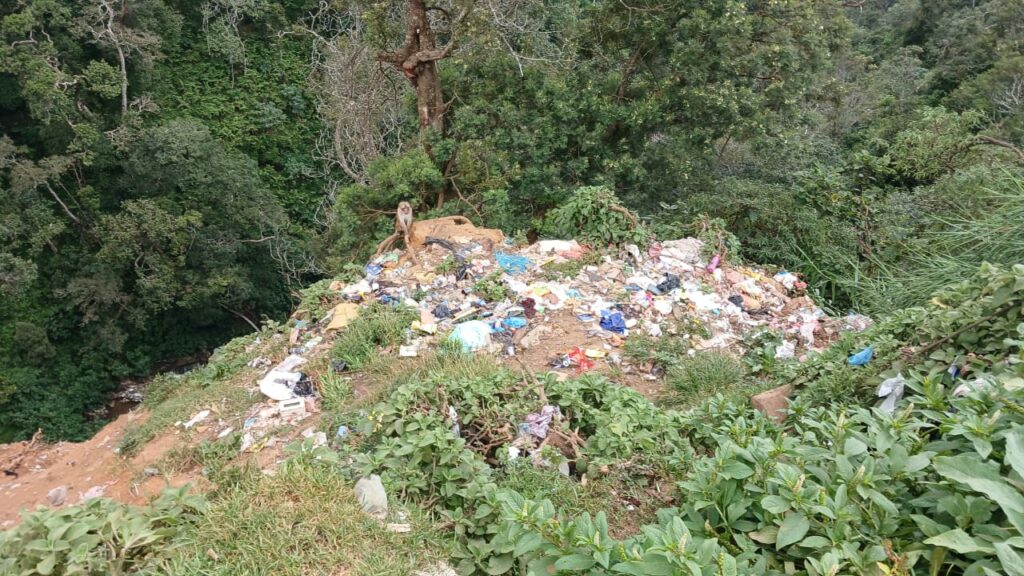
Biodegradable waste is a primary challenge in Sri Lanka as it accounts for approximately two thirds of all municipal waste. In Nuwara Eliya like in the othersparts of the country, most biowaste are either not segregated at source or re-mixed with other types of waste in the landfill. This situation makes proper waste management impossible and leads to significant methane emissions, catastrophic environmental pollution, and a range of socio-economic challenges. Many factors contribute to this dreadful situation: insufficient public awareness; insufficient equipment and infrastructure; lack of public fundings due to competing priorities; inaccessibility of waste collection trucks to some parts of the city (and no collection in rural areas of the district); lack of coordination between key stakeholders; etc. These problems occur in a broader context of vulnerability and instability observed in all development countries – which means that the waste issue, although extremely pressing, if often not prioritized by decision-makers.
In Nuwara Eliya, another aspect of the issue lies in the disparities between the urban municipality and its surrounding rural communities, which don’t benefit from the same public services and require specific community-based responses. Nuwara Eliya district is characterized by its famous hilly tea plantations where private companies rule over the vulnerable farming communities that live there and work for them. This sensitive context adds a layer of complexity to the overall waste issue.
Mission
The project directly tackles SDG13 and sets climate mitigation as one of its main objectives. Indeed, improperly managed biowastes in landfills are known to be a major methane emitter. Food loss and waste account for 8-10% of global GHG. Reducing biowaste and improving its management through at-source sorting and composting thus directly contributes to mitigating climate change – even more so if we consider enhancement of carbon uptake of soils enriched with compost. In the same way, as the project will also contribute to improving waste management as a whole in rural areas, GHG associated with other types of waste – starting with plastics – will also be reduced. More broadly, the project will contribute to reducing other forms of environmental pollution associated with waste, which damage biodiversity and living conditions of local communities.
Activities
Overall, the project intends to reduce biodegradable waste generation and improve biowaste management through a community-based approach. The project will ensure that targeted communities eventually sort and compost their biowaste (and other types of waste) by conducting awareness-raising activities, offering relevant trainings, and providing adequate waste sorting and management equipment.
The project will revolve around community mobilizers that will be empowered and supported by the project team. These actions will be carried out both in urban and rural parts of the district, in close collaboration with public administrations and other relevant stakeholders such as plantation managers.
Comprehensive capitalization and dissemination of good practices will ensure that project’s accomplishments will be sustainable and beneficial to other communities in other parts of the country.
The project will also include an experimental centralized composting site and will similarly target Nuwara Eliya’s visitors, which are considered to significantly contribute to waste generation and littering.
Beneficiaries
In the city, the project aims to directly reach up to 5,000 households (which corresponds to approximately 20,000 people), which means half of the urban population of Nuwara Eliya, with a priority given to the most vulnerable people.
In rural areas, beneficiaries are essentially tea plantation workers and vegetable farmers in villages. The project aims to directly reach 6 communities, which comprise an average of 150 households (approximately 3,600 people in total).Municipal and district offices who will be trained through the project are also direct beneficiaries.
The project therefore directly targets 23,600 vulnerable people.